

Search for condition information or for a specific treatment program.

ACL Surgery Specialist In Singapore
Get active again with a well-executed ACL surgery performed by our Fellowship-trained orthopedic surgeons.
Explore ACL Surgery
What Is ACL Surgery?
ACL surgery repairs or reconstructs the anterior cruciate ligament (ACL) in the knee, which stabilizes the joint. The surgery uses the patient’s or donor tissue to restore function and stability and is common among athletes and active individuals who want to return to their activities after severe ACL injuries.
- Improved knee stability and function
- Reduced risk of future knee injuries
- Improved overall knee strength and flexibility
- Return to work and daily activities faster
A 2017 study published in The American Journal of Sports Medicine found that delaying ACL surgery beyond 12 weeks after an injury may increase the risk of further knee damage and reduce the likelihood of a successful outcome.
Symptoms Of A Torn ACL
If you’re experience any of these symptoms, seek an ACL specialist to determine the extent of the injury and the best course of treatment. Early diagnosis and treatment can help prevent further damage and improve treatment results.
- Pain and swelling – A torn ACL can cause pain and swelling in the knee joint, which can be mild or severe depending on the extent of the injury.
- Instability or giving way – Does your knee feel unstable or “gives way” during physical activity, which can make walking, running, and other activities difficult.
- Audible “pop” or sensation of tearing – Many patients report hearing or feeling a “pop” or tearing sensation when the ACL is injured, which may be accompanied by immediate pain or swelling.
- Limited range of motion – A torn ACL can also limit the range of motion in the knee joint, making it difficult to fully bend or straighten your leg.
- Discomfort while walking or standing – Some people may experience discomfort or pain while walking or standing on the affected leg, particularly if the injury is severe.
Am I A Candidate for ACL Surgery?
You may be a candidate for ACL surgery in Singapore if you have experienced a severe ACL injury, such as a sprain or tear that has resulted in symptoms like knee instability, pain, and/or difficulty walking or running.
Other factors that may make you a candidate for ACL surgery include:
- Age: ACL surgery is generally recommended for individuals who are still growing or who are in their 20s to 40s, although age alone is not a deciding factor.
- Activity Level: If you participate in sports or other activities that require knee stability, ACL surgery may be a good option for you.
- Severity of the Injury: If your ACL injury is severe and non-surgical treatments have not been effective, surgery may be necessary to repair or reconstruct the damaged ligament.
To determine if you are a good candidate for ACL surgery, your orthopaedic specialist will conduct a physical exam and order imaging tests to evaluate the extent of your injury and the overall health of your knee joint. Ultimately, the decision to undergo ACL surgery will depend on a variety of factors.
ACL Surgery Cost In Singapore
The estimated bill range for a private hospital ACL reconstruction surgery in Singapore is $26,519 – $33,204. Estimated fees are provided by MOH and based on transacted bills during the year of 2021.
-
Can A Partial ACL Tear Heal By Itself?
A torn ACL cannot heal by itself. The ACL is a vital ligament that provides stability to the knee joint, and when completely torn, cannot spontaneously heal.
Non-surgical treatments may help manage symptoms, but surgery is often necessary to repair or reconstruct the damaged ligament and restore knee stability.
-
Can A Torn ACL Heal By Itself?
- No, a partial ACL tear cannot heal by itself.
- While non-surgical treatments such as physical therapy may be effective in managing symptoms, they cannot fully restore the stability of the knee joint.
- Without proper treatment, a partial tear may progress to a full tear over time, leading to more severe symptoms
Source: American Academy of Orthopaedic Surgeons
Types Of ACL Surgeries We Perform
- Autograft: Autograft ACL surgery uses the patient’s own tissue, typically from the patellar tendon or hamstring, to reconstruct the damaged ACL, and has several benefits, including faster healing and fewer complications. However, it can be more painful and may require a longer recovery time compared to other types of ACL surgery. Autograft ACL surgery is the preferred option for athletes or active individuals.
- Allograft: Allograft ACL surgery uses donor tissue from a cadaver to reconstruct the damaged ACL. This type of surgery can offer several benefits, including less pain and a shorter recovery time compared to autograft surgery. However, there is a slightly higher risk of infection and the possibility of the body rejecting the donor tissue. Allograft ACL surgery is a good option for patients who have limited available donor tissue or who may not be able to undergo autograft surgery due to prior surgeries or other health issues.
- Hybrid graft: Hybrid graft ACL surgery uses a combination of autograft and allograft tissue to reconstruct the damaged ACL, and can offer the best of both worlds, such as faster healing, less pain, and reduced risk of rejection. However, it is a more complex procedure and may have a higher risk of complications than other types of ACL surgery. This is an option for patients who have limited available donor tissue or may benefit from a combination of both types of tissue.
Ultimately, the type of ACL surgery recommended will depend on your individual situation.
ACL Surgery Recovery Process
| Recovery Period | What to Expect: | |
|---|---|---|
| Immediately after surgery (Week 0-1): |
|
|
| First few weeks after surgery (Week 2-6): |
|
|
| First few months after surgery (Week 6-16): |
|
|
| Several months after surgery (16 weeks and beyond): |
|
Explore ACL Surgery
Hip & Knee Surgeons

Dr ong kee leong
Senior Consultant Orthopaedic Surgeon
MBBS (Singapore)MMed (Ortho)MRCSEd (Ortho)FRCSEd (Ortho)
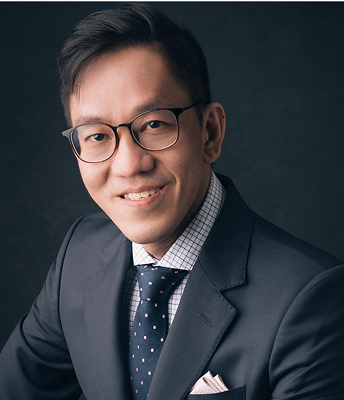
Dr Wang Lushun
Senior Consultant Orthopaedic Surgeon
MBBS (Singapore)MMed (Ortho)MRCSEd (Ortho)FRCS (Ortho, Edin)
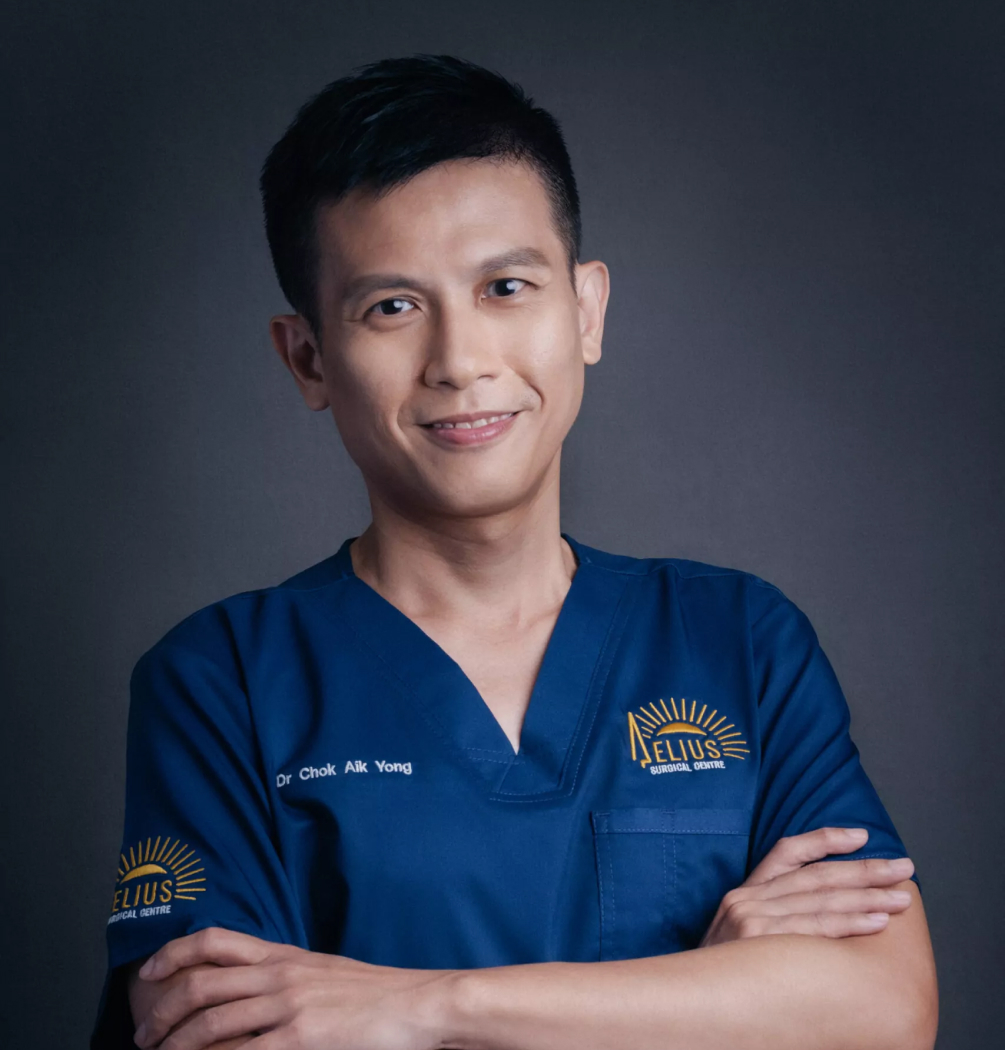
Dr. Chok Aik Yong
Colorectal Surgeon & General Surgeon
MBBS (Singapore)MMed (Ortho)MRCSEd (Ortho)FRCS (Ortho, Edin)
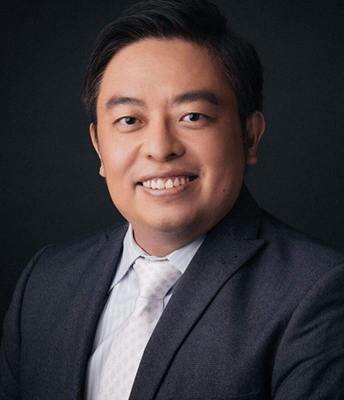
Dr. Kau Chung Yuan (许医生)
Orthopaedic Surgeon in Singapore
MBBS (Singapore)MMed (Ortho)MRCS (Ire)FRCS (Ortho, Edin)
Advanced Practitioners
Dr ong kee leong
Senior Consultant Orthopaedic Surgeon
MBBS (Singapore)MMed (Ortho)MRCSEd (Ortho)FRCSEd (Ortho)
Dr Wang Lushun
Senior Consultant Orthopaedic Surgeon
MBBS (Singapore)MMed (Ortho)MRCSEd (Ortho)FRCS (Ortho, Edin)
Dr. Chok Aik Yong
Colorectal Surgeon & General Surgeon
MBBS (Singapore)MMed (Ortho)MRCSEd (Ortho)FRCS (Ortho, Edin)
Dr. Kau Chung Yuan (许医生)
Orthopaedic Surgeon in Singapore
MBBS (Singapore)MMed (Ortho)MRCS (Ire)FRCS (Ortho, Edin)
Make An Enquiry
Got Questions? Please fill in the enquiry form below and we look forward to addressing your question.
Contact the Hip & Knee Replacement Service
Have questions? Get in touch.